
In the fast-paced and technologically driven world we inhabit, the pursuit of effective stress relief has become increasingly essential. Among the myriad approaches available, meditation stands out as a versatile and accessible tool to foster tranquility and mental well-being. Within the realm of meditation, various techniques offer unique avenues for stress relief, each catering to diverse preferences and needs.
1. Mindfulness Meditation:
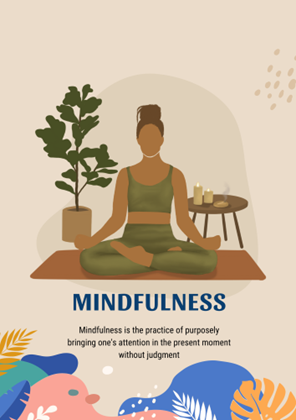
- Find a comfortable position and focus on your breath.
- Pay attention to the sensation of each breath as you inhale and exhale.
- When your mind wanders, gently bring it back to the present moment.
- This practice cultivates awareness and helps break the cycle of stress-inducing thoughts.
2. Body Scan Meditation:
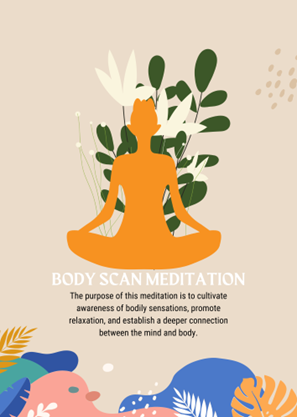
- Lie down or sit comfortably and bring your attention to different parts of your body.
- Start from your toes and work your way up or vice versa.
- Notice any tension or discomfort and consciously release it with each exhale.
- This technique promotes relaxation and helps you connect with your body.
3. Loving-Kindness Meditation (Metta):
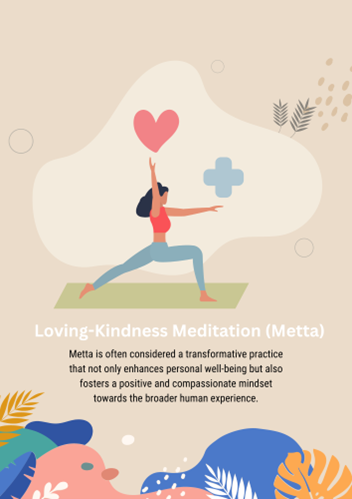
- Sit comfortably and focus on sending feelings of love and kindness to yourself.
- Expand this feeling to loved ones, acquaintances, and even to those you may have conflicts with.
- This practice fosters compassion and can shift your mindset from stress to a more positive state.
4. Guided Imagery Meditation:
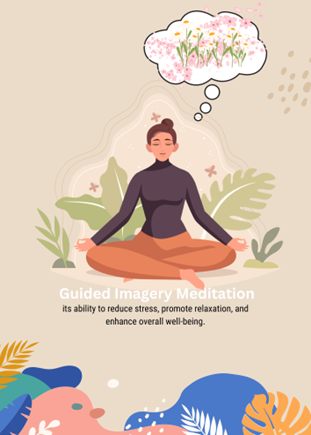
- Close your eyes and imagine a peaceful place or scenario, like a beach or a quiet forest.
- Engage your senses by visualizing details, such as colors, sounds, and textures.
- This technique transports your mind, providing a mental escape from stress.
5. Breath Counting Meditation:
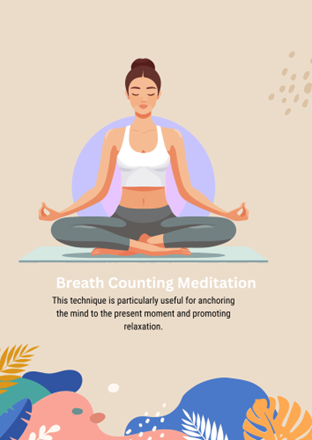
- Sit in a comfortable position and focus on your breath.
- Inhale and exhale naturally, counting each breath.
- When you reach ten, start again from one.
- This practice helps center your mind and promotes a sense of calm.
Remember, the key to successful meditation is regular practice. Experiment with these techniques and find the one or combination that resonates best with you. Consistent practice can lead to increased resilience to stress and an overall improvement in your mental well-being.
Bodhisattva
A Bodhisattva is a term originating from Buddhism, specifically Mahayana Buddhism, and refers to an individual who has dedicated their life to attaining enlightenment and, in the process, commits to helping all sentient beings achieve liberation from suffering. The term "Bodhisattva" is derived from the Sanskrit words "bodhi," meaning enlightenment, and "sattva," meaning being or essence.

The Bodhisattva path is characterized by compassion, selflessness, and the aspiration to attain Buddhahood for the benefit of others. Unlike the Theravada tradition, which emphasizes personal enlightenment (arhatship), Mahayana Buddhism places a strong emphasis on the Bodhisattva ideal, where individuals vow to postpone their own final enlightenment until all sentient beings can be liberated.
Key characteristics and aspects of a Bodhisattva include:
1. Great Compassion: Bodhisattvas are driven by boundless compassion for all living beings. Their motivation is to alleviate the suffering of others and guide them on the path to enlightenment.
2. Paramitas (Perfections):Bodhisattvas cultivate virtues known as paramitas, which include generosity, ethical conduct, patience, diligence, concentration, and wisdom. These perfections are developed over countless lifetimes to fulfill the Bodhisattva's commitment to enlightenment.
3. Wisdom: Bodhisattvas seek not only to relieve immediate suffering but also to address the root causes of suffering. Wisdom is a crucial aspect of the Bodhisattva path, involving a deep understanding of the nature of reality and the interconnectedness of all phenomena.
4. Vows:Bodhisattvas often take vows known as Bodhisattva vows, expressing their dedication to the well-being and enlightenment of all beings. These vows guide their actions and shape their ethical conduct.
5. Skillful Means: Bodhisattvas are adept at using skillful means (upaya) to teach and guide others on the path. They adapt their methods based on the capacities and needs of different individuals.
6. Bodhisattva Ideal in Mahayana Scriptures:The Bodhisattva ideal is prominently featured in Mahayana Buddhist scriptures, such as the Lotus Sutra and the Avatamsaka Sutra. These texts provide guidance on the qualities, practices, and virtues of a Bodhisattva.
7. Bodhisattva Vows and Stages:The Bodhisattva path is often described in terms of various stages or bhumis, each marking a significant level of spiritual development. Bodhisattvas progress through these stages on their journey towards Buddhahood.
8. Avalokiteshvara and Manjushri:In Mahayana Buddhism, Bodhisattvas are often personified by certain revered figures. Avalokiteshvara, the Bodhisattva of compassion, and Manjushri, the Bodhisattva of wisdom, are two widely venerated Bodhisattvas.
The Bodhisattva ideal is central to Mahayana Buddhism's emphasis on altruism, universal compassion, and the aspiration to attain enlightenment not only for personal liberation but for the benefit of all sentient beings. The Bodhisattva path represents a profound commitment to the welfare of others and is considered one of the highest and most noble aspirations in Buddhist practice.
Natural Relief for Depression
Natural relief for depression often involves a holistic approach that addresses various aspects of life, including lifestyle, diet, physical activity, social connections, and mental well-being. While it's crucial to consult with a healthcare professional for personalized advice and treatment, the following natural strategies may complement conventional approaches to managing depression:
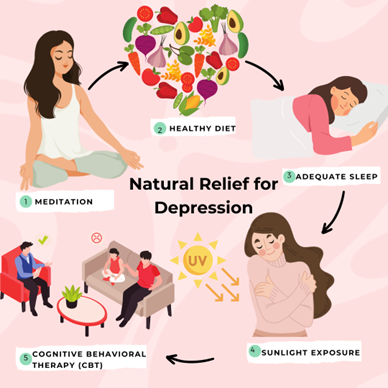
1.Mindfulness and Meditation:
- Mindfulness practices, such as meditation and deep breathing exercises, can help alleviate symptoms of depression by promoting relaxation and reducing stress. Mindfulness-Based Stress Reduction (MBSR) programs have shown effectiveness in managing depressive symptoms.
2. Healthy Diet:
- A balanced and nutritious diet can play a role in supporting mental health. Focus on whole foods, including fruits, vegetables, lean proteins, and whole grains. Omega-3 fatty acids, found in fish, flaxseeds, and walnuts, have been associated with improved mood.
3. Adequate Sleep:
- Establishing healthy sleep patterns is essential for mental well-being. Aim for 7-9 hours of quality sleep each night. Create a relaxing bedtime routine, limit caffeine intake, and ensure your sleep environment is comfortable.
4. Sunlight Exposure:
- Exposure to natural sunlight helps regulate the body's circadian rhythm and boosts the production of serotonin, a neurotransmitter associated with mood. Spend time outdoors, especially in the morning, and consider light therapy if sunlight exposure is limited.
5. Cognitive Behavioral Therapy (CBT):
- While not entirely "natural," CBT is a psychotherapeutic approach that focuses on changing negative thought patterns and behaviors. It has demonstrated effectiveness in treating depression and may be considered a non-pharmacological intervention.
It's crucial to note that natural remedies should not replace professional medical advice or treatment for depression. If you or someone you know is experiencing symptoms of depression, it's essential to seek guidance from a healthcare professional to determine the most appropriate course of action. Depression is a serious condition that may require a combination of therapeutic approaches for effective management.
