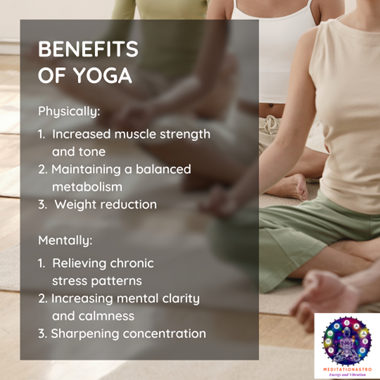
Yoga is an ancient practice that originated in India. It aims to harmonize the mind, body, and spirit through a combination of physical postures (asanas), breathing techniques (pranayama), and meditation.
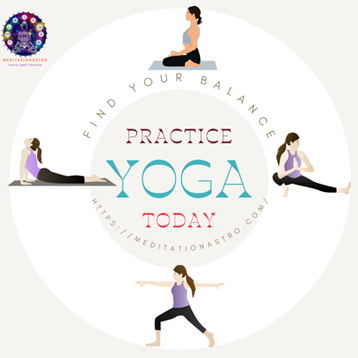
Benefits of Yoga:
Physical Benefits: Improved flexibility, strength, and balance.
Mental Benefits: Reduced stress, increased focus, and enhanced mental clarity.
Emotional Benefits: Better emotional regulation and a sense of inner peace.
Overall Well-being: Yoga promotes a sense of overall well-being, connecting the body and mind.
Different Styles of Yoga:
Hatha Yoga:
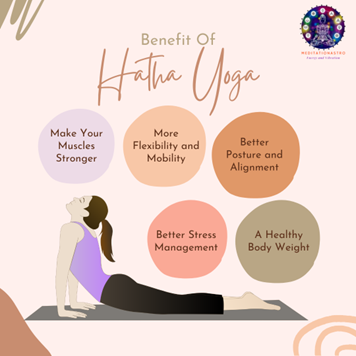
Focuses on physical postures and breath control.
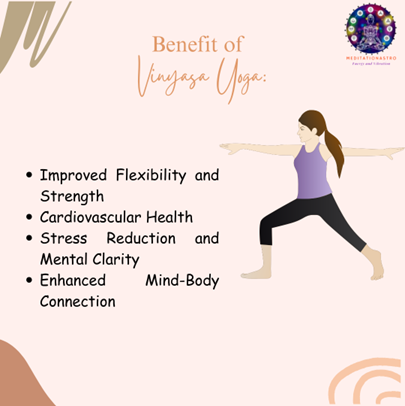
Vinyasa Yoga:
Ashtanga Yoga:
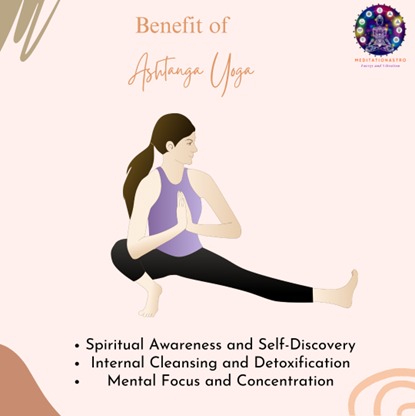
Involves a set sequence of dynamic postures.
Kundalini Yoga:
Aims to awaken spiritual energy through postures and meditation.
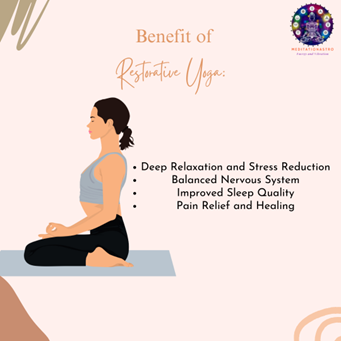
Yoga for Postpartum Journey
Yoga can be a gentle and effective way to support postpartum recovery, providing physical and mental benefits during this period. However, it's essential to consult with your healthcare provider before starting any postpartum exercise routine to ensure it's safe for your individual circumstances. Here are some general considerations and a simple yoga routine tailored for postpartum recovery:
Considerations:
1. Start Gradually: Begin with gentle movements and gradually progress as your body heals.
2. Listen to Your Body:Pay attention to how your body feels during and after each session. If something doesn't feel right, modify or skip the pose.
3. Pelvic Floor Awareness: Focus on exercises that engage and strengthen the pelvic floor muscles, which undergo significant changes during pregnancy and childbirth.
4. Breath Awareness: Incorporate mindful breathing to help reduce stress, increase relaxation, and connect with your body.
Postpartum Yoga Routine:
1. Deep Breathing (5 minutes):
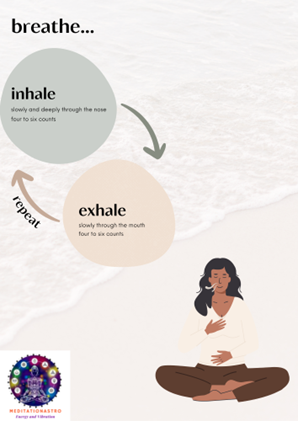
- Find a comfortable seated or lying position.
- Inhale deeply through your nose, expanding your belly.
- Exhale slowly through your mouth, releasing tension.
- Focus on calming your breath to center yourself.
2. Pelvic Floor Exercises (5 minutes):
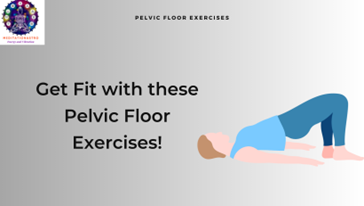
- Sit comfortably with a straight spine.
- Inhale, engage your pelvic floor muscles (imagine lifting them), and hold for a few seconds.
- Exhale, release the muscles completely.
- Repeat several times.
3.Cat-Cow Stretch (5 minutes):
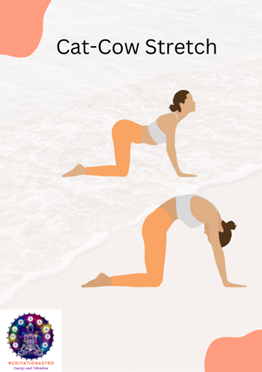
- Come to a hands-and-knees position.
- Inhale, arch your back (Cow Pose).
- Exhale, round your spine (Cat Pose).
- Repeat, syncing movement with breath.
4. Seated Forward Bend (Paschimottanasana) (3 minutes):
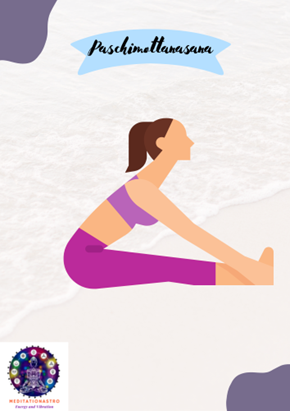
- Sit with legs extended in front.
- Inhale, lengthen your spine.
- Exhale, hinge at the hips to reach forward.
- Hold, feeling a gentle stretch in your hamstrings.
5. Bridge Pose (Setu Bandhasana) (5 minutes):
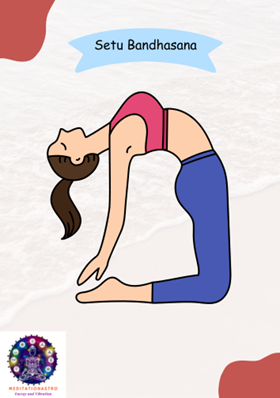
- Lie on your back, bend your knees, and place feet hip-width apart.
- Inhale, lift your hips towards the ceiling.
- Exhale, slowly lower down.
- Repeat, engaging your core and glutes.
6. Child's Pose (Balasana) (3 minutes):
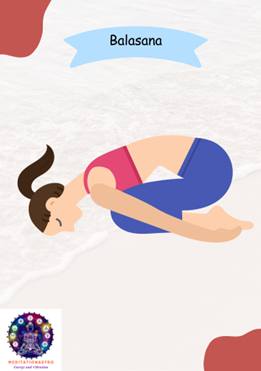
- Kneel on the mat, sit back on your heels, and extend arms forward.
- Rest forehead on the mat, allowing your spine to relax.
Remember, this routine is a starting point, and you can modify it based on your comfort level. Always prioritize your well-being and consult with a healthcare professional if you have any concerns.